Black Panther - Gender & Race
Ryan Coogler’s 2018 film Black Panther is undoubtedly one of the most impressive representations of women in an independent role. They aren’t portrayed as side characters; they are passionate, fierce, and intelligent, all without being seen as dependent on their male counterparts. Shuri is a revolutionary, inspirational figure. Letitia Wright’s portrayal of the brilliant mind behind Wakanda’s advanced technology has inspired a new generation of young girls of all races to envision themselves in STEM. She exemplifies the profound impact of representation and the encouragement it can inspire. Nakia, played by Lupita Nyong’o, is a strong, independent role model. Her character subverts the stereotypical ‘damsel in distress’ trope seen in many films. Instead, she is a fully realised character with her own motivations and beliefs. Like Shuri, she proves to be an inspiration to young girls, showing that true strength cannot be categorised into just strength, but also empathy and compassion. Okoye, played by Danai Gurira, is the leader of the Dora Milaje, Wakanda’s all-female royal guard. Her character embodies and celebrates the strength of black female empowerment; she represents Wakanda’s matriarchal traditions and its profound respect for women. The Dora Milaje as a whole subvert the stereotypical male-dominated action. Last but not least, Queen Ramonda, the wise, unshakeable matriarch herself, played by Angela Bassett, is a symbol of resolute strength. Her character presents a history and a powerful delineation of black motherhood. Unlike Okoye, she symbolises strength found in wisdom and the protective love of a mother.
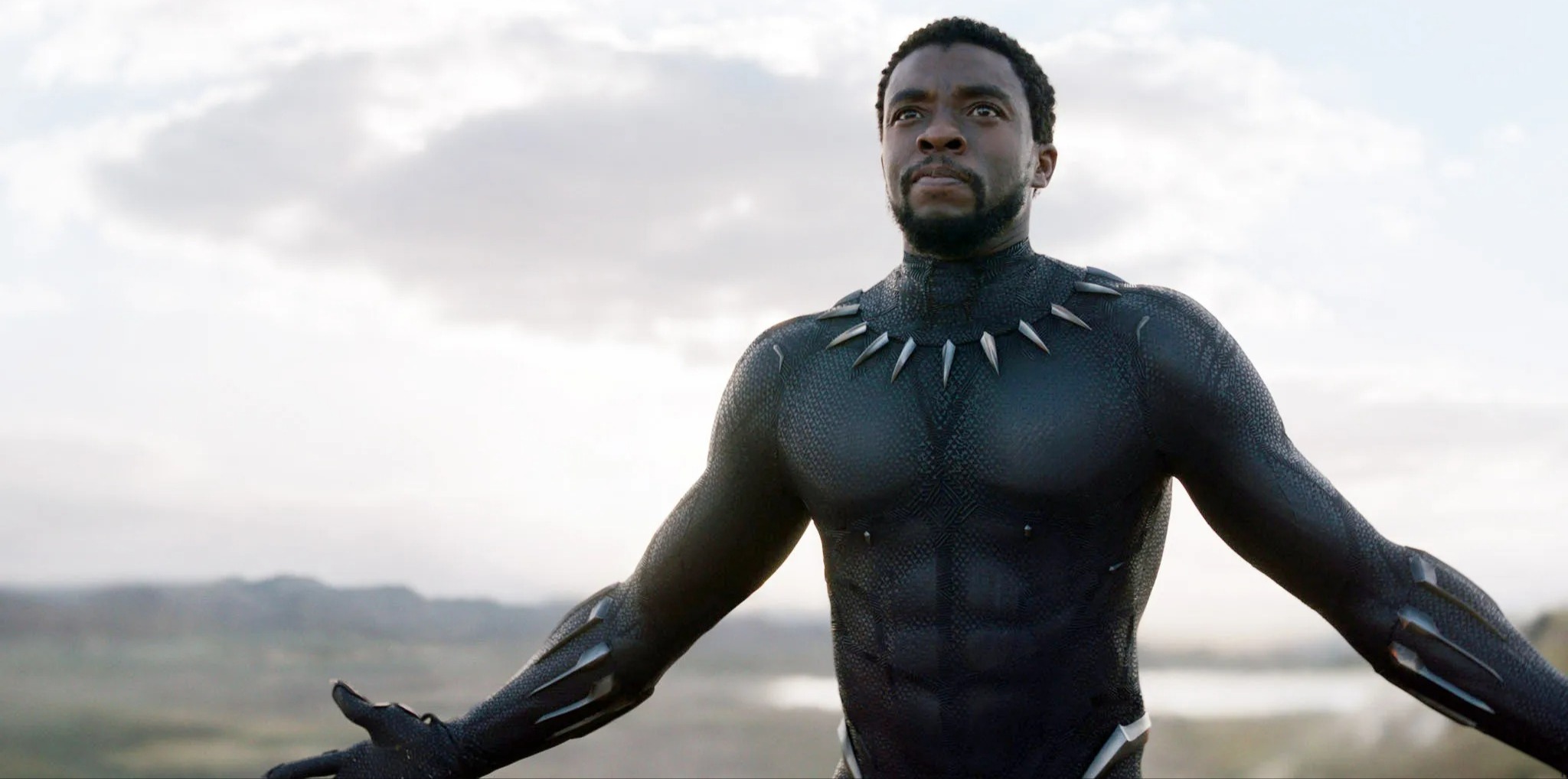
Similarly, men are also presented as complex figures who embody both traditional heroic qualities and deeper struggles with identity, power, and responsibility. T’Challa, played by the late Chadwick Boseman, embodies the noble and diplomatic leader, a man who balances physical strength with morality and emotional depth. He challenges the stereotype of the hyper-aggressive Black male by showing vulnerability, particularly in his grief for his father and uncertainty about his role as king. In contrast, Erik Killmonger embodies a more radical, militant masculinity, fuelled by anger at racial oppression and a desire for revenge. His character reflects the pain of African diasporic men who feel excluded and dispossessed, and while he is framed as a villain, his motivations raise important questions about justice and legacy. The film also complicates masculinity through supporting male characters: M’Baku, initially portrayed as a rival, later reveals humour, wisdom, and loyalty, while Everett Ross provides a white male perspective that highlights Western interference yet positions him as a necessary ally. Overall, Black Panther presents men as multi-layered leaders, warriors, fathers, and sons who must navigate tradition, morality, and power. This nuanced portrayal avoids one-dimensional stereotypes and instead situates Black men within a broad spectrum of emotional and political complexity.
Now, in terms of racial representation, there’s no doubt that Black Panther, fully embraces Afrofuturism, a vision that Africa is advanced, powerful and central to the world’s future. In addition, the fictional independent nation of Wakanda is untouched by colonisation and Western influences, which completely subverts the usual narrative of Africa being underdeveloped or exploited. Black Panther, being the first big-budget film with a predominantly black cast, was groundbreaking, challenging the assumptions that big-budget films with a black cast were not commercially viable on an international level, as the film was an immense success. For many audiences, seeing a majority-Black cast in a Marvel blockbuster was historic. Black actors were given central, complex roles in a genre traditionally dominated by white superheroes. This normalised Black heroism for mainstream audiences, especially children. As previously mentioned, male characters like T’Challa show vulnerability and emotional intelligence, disrupting the stereotype of the aggressive or violent black male, and female characters like Shuri, Okoye, and Nakia are leaders, innovators, and fighters, rejecting the trope of Black women as subservient or overly sexualised. Furthermore, Black Panther doesn’t shy away from acknowledging historical injustice. Killmonger’s character represents and addresses the African American experience of slavery, racism, and systemic oppression, giving a voice to generational pain that is rarely explored in superhero cinema.
While these positive aspects highlight the film’s progressive approach to race, it is equally important to consider the limitations and criticisms of its representation. T’Challa’s diplomatic and often calm leadership is celebrated, while Killmonger’s passionate displays that demand global black liberation are framed as villainous and dangerous. This implies that only a “non-threatening” black identity is deemed acceptable in Hollywood. The film also reinforces Western Influence through CIA agent Everett Ross. Despite Martin Freeman’s character playing a positive, sidekick-type role, it seems to gloss over the CIA’s involvement with de-establishing African nations; his role softens and diverts from the impact of Western influence. Additionally, the link between black identity and the panther can be empowering, implying strength, agility and courage; it also recalls racist imagery that historically associated black people with animals or primal instincts.
Post a comment